Building Brand-Ready Video for Spring and Beyond
Strong video does more than look good. It has to sound, feel, and act like your brand in every frame, across every channel. That only happens when your planning, crew, and controls are built around your brand from the start.
Spring often brings new campaigns, product pushes, and fresh energy. It is a smart moment to tighten your process so every new video is “brand ready.” In this guide, we will walk through a practical pre-production checklist we use as a full-service commercial video production crew, from brand guidelines and messaging guardrails to shot lists and on-set quality controls.
Turn Campaigns Into Brand-Ready Video Assets
When marketing ramps up, video is usually at the center: product launches, brand refreshes, big events, internal meetings. If those videos feel off-brand, even slightly, your audience notices. Colors feel different, tone shifts, messaging drifts, and trust takes a hit.
We define “brand-ready” video as content that:
- Matches your visual identity across channels
- Speaks in your brand voice in every line and graphic
- Fits your customer experience, from first impression to follow-up
- Works cleanly in the formats and platforms you actually use
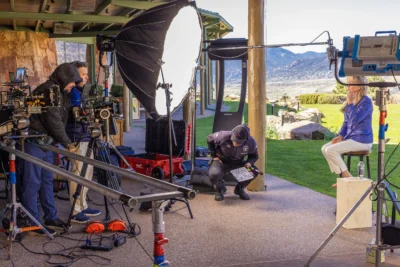
This standard is hard to hit with a single person and a camera. A dedicated, in-house commercial video production crew can learn your brand deeply, then build repeatable systems around it. Because our team at Colorado Arts Productions handles directing, production, and post under one roof here in Colorado, we keep that brand knowledge inside the crew instead of restarting from zero on every shoot.
Translate Brand Guidelines Into a Visual Blueprint
Many teams have a brand book, but it often lives as a PDF that never fully reaches the set. We want those rules to show up in the lens, the lighting, and the set dressing.
We go beyond a logo pack and color codes by asking:
- How bold or calm should the camera feel?
- Are we close and intimate, or wide and observational?
- Does your brand lean more natural light, or polished and controlled?
From there, we create a brand translation document for production. This is a working guide that turns your brand standards into concrete choices, like:
- Do/Don’t visual examples
- Wardrobe color ranges that fit your palette
- Props and environments that feel “on home turf” for your brand
- Movement rules, like handheld vs locked-off shots
We also set approval checkpoints before cameras roll. Marketing and brand leaders review mood boards, style frames, storyboards, and key location references. This way, big creative decisions are aligned early, not debated in the edit.
Build Messaging Guardrails That Keep Every Line On Brand
Visuals are only half the story. Words, tone, and structure need the same level of planning, especially if you have multiple stakeholders, compliance needs, or a complex offer.
We start by building a simple messaging hierarchy:
- Primary message: the one thing this video must land
- Supporting points: two or three proof points that back it up
- Call to action: what the viewer should do next
- Proof: product shots, demos, or testimonials that make it real
Then we work with your marketing team to shape language frameworks. That might include:
- Tone-of-voice notes, like “confident but friendly” or “expert, not academic”
- A bank of approved phrases and taglines
- A short “do not say” list for interviews and unscripted content
For scripted pieces, we align story arcs and key claims with leadership and any legal or regulatory teams you involve. It is far easier to adjust a script in a document than to reshoot interviews after someone flags a line later in the process.
Design Shot Lists That Serve Strategy, Not Just Aesthetics
Pretty footage is nice. Strategic footage is better. We plan shot lists by asking where the video will live and how long it needs to work for you.
First, we talk distribution:
- Paid social and vertical stories
- Web homepages and product pages
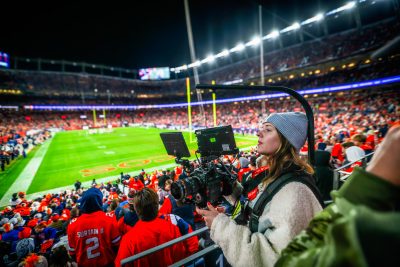
- Broadcast or large screens at events
- Internal meetings or training
From there, we design modular shot lists. On a typical day, we plan:
- A-roll: interviews, hosted segments, or core scenes
- B-roll: action, process, product details, team moments
- Alternate coverage: vertical friendly shots, different backgrounds, variations of key actions
This gives your team options: a hero brand film, shorter cutdowns, teaser clips, event loops, and even behind-the-scenes edits, all from one production. We also track recurring visual elements, like locations, signature camera moves, or graphic treatments, so new content feels related to what you have released in the past while still feeling fresh.
On-Set Quality Controls That Protect Your Brand
Pre-production sets the plan. On-set quality controls protect it when things get fast and busy.
We rely on clear roles inside the crew:
- Director: owns performance, framing, and story
- Producer: keeps schedule, logistics, and approvals moving
- Brand liaison: keeps an eye on guidelines, messaging, and details
- DIT (digital imaging technician) or media manager: protects footage and maintains organization
We also use live brand monitoring. At video village, marketing stakeholders can watch a calibrated feed, compare the shot to brand reference boards, and flag:
- Off-brand wardrobe or colors
- Props that feel wrong for your audience
- Phrases in interviews that conflict with your language guide
Finally, we plan backups. We record alternate takes of key lines, extra B-roll for seasonal and evergreen versions, and slight variations in performance. That flexibility pays off when you need a version for spring, another for general use, and maybe a cut tailored to a specific region or audience.
Post-Production Guardrails and Long-Term Value
Brand control continues in the edit. Color, graphics, and sound can pull your story together or send it off-course.
In post, we keep your brand intact by:
- Matching color grading to your visual style, not just what looks dramatic
- Using motion graphics and typography that align with your standards
- Choosing music and sound design that fit your personality
We also structure review stages with clear goals. A rough cut is where to talk structure, pacing, and messaging. A fine cut is for performance notes and brand tweaks. The final cut is for last detail checks, like legal language, logo rules, and audio levels. Everyone knows what kind of feedback is useful at each stage, which keeps projects moving.
To stretch your investment, we maintain a reuse-ready asset library. As a full-time crew, we archive footage, project files, and template graphics in an organized way. That means when your next campaign, season, or initiative arrives, you are not starting from scratch. You are building on a consistent visual and messaging base, with a commercial video production crew that already understands how your brand should look and sound.
Get Started With Your Project Today
If you are ready to turn your concept into a polished commercial, our commercial video production crew is here to guide you from first idea to final cut. At Colorado Arts Productions, we collaborate closely with your team so every shot supports your brand and goals. Tell us about your timeline, budget, and vision, and we will outline a clear production plan. Have questions or need a custom quote right away? Just contact us to get started.